
When embarking on a flooring project, most homeowners fixate on the main event the hardwood, tiles, or luxury vinyl planks. Yet, there is a foundational element that often passes unnoticed: the baseboard. While it might seem like a minor decorative strip, the baseboard is actually a workhorse of interior design, bridging the gap between aesthetics and structural necessity. In this guide, we’ll dive into why baseboards are a non negotiable component of your home, the various styles available, and how they protect your investment.
Understanding Baseboards: More Than Just Trim
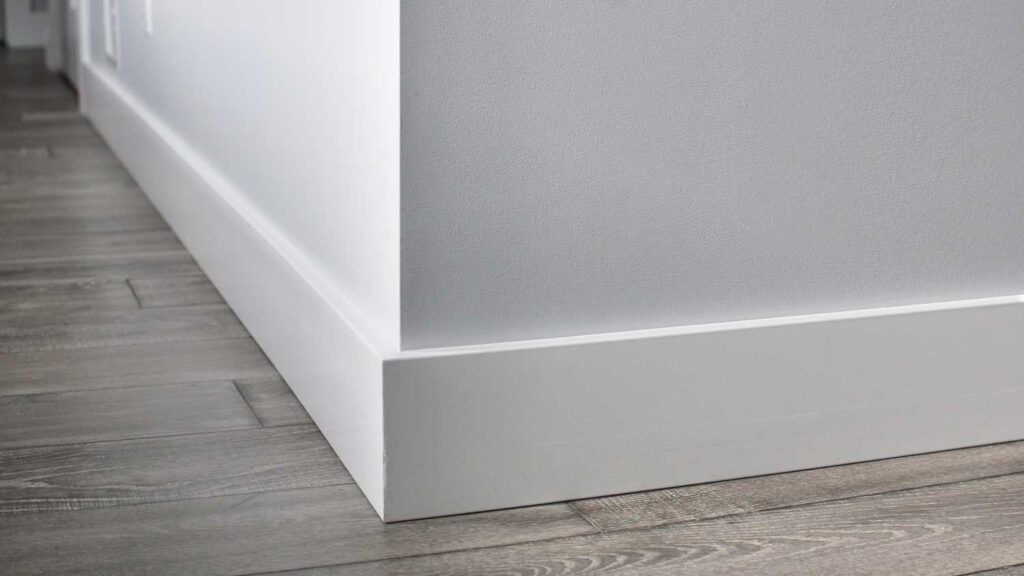
At its core, a baseboard is a protective and decorative molding installed at the lowest point of a wall. It serves as the transition point where the vertical wall meets the horizontal floor. Crafted from materials ranging from natural wood to moisture proof polymers, they serve four primary functions:
- Concealment: They hide the necessary gaps between the wall and the flooring.
- Armor: They shield the bottom of the wall from physical damage.
- Visual Framing: They provide a structural “border” that completes a room’s look.
- Style Definition: They reinforce the architectural character of the home.
The Functional Necessity: Why You Need Them
Baseboards are not merely an “optional extra.” They are a vital part of a professional flooring installation for several reasons:
1. Covering the Expansion Gap
Modern flooring specifically laminate flooring and vinyl flooring needs room to breathe. These materials expand and contract as temperatures and humidity levels fluctuate. Professional installers leave a small gap around the perimeter of the room to prevent the floor from buckling. Baseboards are the perfect solution to hide these unsightly gaps while allowing the floor to move naturally.
2. Wall Protection
Walls are surprisingly fragile. Without baseboards, everyday activities like vacuuming, mopping, or moving furniture would lead to constant scuffs, dents, and moisture damage at the base of your drywall. The baseboard acts as a buffer, absorbing the impact of daily life.
3. Architectural Balance
A room without baseboards often feels “naked” or unfinished. Much like a frame enhances a painting, baseboards give a room a sense of scale and proportion, making the transition between different surfaces look intentional and polished.
Choosing Your Material
The material you choose impacts both the durability and the final look of your space.
- MDF (Medium Density Fiberboard): The most popular choice for modern homes. It is affordable, comes pre primed, and has a smooth surface that’s perfect for painting.
- Solid Wood: Ideal for high end or traditional homes. Wood offers natural warmth and can be stained to reveal beautiful grain patterns.
- PVC/Polymer: These are the gold standard for “wet” areas. Being 100% waterproof, they are perfect for bathrooms, kitchens, and basements where wood might rot.
- Vinyl: Often used in commercial settings or high traffic areas, vinyl is flexible, resilient, and very easy to maintain.
Designing Your Space: Styles and Profiles
The shape of your baseboard can change the entire “vibe” of a room.
- Flat Profiles: Perfect for minimalist or industrial designs where clean, sharp lines are preferred.
- Colonial or Ogee Styles: Feature elegant curves and tiers, making them a staple in traditional or Victorian style homes.
- Beveled Edges: Offers a subtle, angled top that fits perfectly in “transitional” homes that mix modern and classic styles.
- High Profile (Tall) Baseboards: These make a bold statement, adding a sense of luxury and stature to rooms with high ceilings.
How to Coordinate with Your Floors
Deciding on colors and finishes is the final step in the design process:
- The Seamless Look: Pint or stain your baseboards to match your flooring exactly. This creates a sense of continuity and can make a small room feel larger.
- The High Contrast Look: White baseboards paired with dark wood floors offer a crisp, classic aesthetic that highlights the room’s geometry.
- The Monochromatic Look: Painting the baseboard the same color as the wall can provide a sleek, modern, and ultra clean appearance.
Installation Success: Tips and Pitfalls
To ensure your baseboards look professional and last for years, keep these installation essentials in mind:
- Precision is Key: Accurate measurements and 45 degree miter cuts are essential for tight corners.
- Don’t Forget the Caulk: Even the best installation has tiny gaps. Using high quality caulk to seal the top of the baseboard against the wall creates a seamless finish.
- Mind the Moisture: Never use standard MDF in a room prone to spills or high humidity; always opt for PVC or treated wood in these areas.
- Size Matters: Choose a height that is proportionate to your ceiling. A baseboard that is too small can look cheap, while one that is too large can overwhelm a small room.
Suggestions for Upkeep and Longevity
While baseboards are generally low maintenance, failing to care for them can diminish the look of your home.
Routine Care Steps:
- Frequent Debris Removal: Dust regularly to stop grime from settling.
- Surface Cleaning: Use a lightly moistened rag to wipe away scuffs or spills.
- Paint Repairs: Periodically refresh the finish with touch up paint to hide wear.
- Integrity Checks: Frequently inspect high activity zones for cracks or dents.
Consistently tending to your trim ensures your living space remains sharp and well presented.
The Lasting Worth of Quality Trim
Though they may seem like a minor architectural feature, baseboards represent a strategic investment in your property’s long term appeal.
Ongoing Advantages:
- Structural Longevity: They reinforce the durability of your interior surfaces.
- Refined Visuals: They provide a polished, high end feel to any room.
- Wall Safeguarding: They act as a buffer, shielding the lower wall from kicks and vacuum strikes.
- Market Desirability: They boost the perceived quality and asking price of a home.
Small expenditures in quality molding yield significant returns in both lifestyle and equity.
Closing Observations
Baseboards are a foundational element of interior design that often goes uncelebrated. They serve a dual purpose: acting as a protective barrier while providing the visual “glue” that connects the floor to the wall in a seamless transition.
Whether integrated into a sleek, contemporary apartment or a grand, traditional estate, these moldings are vital for a finished appearance. By carefully selecting the right profiles and materials, property owners can substantially elevate the sophistication of their environment. Ultimately, baseboards are the essential final detail that harmonizes a room, turning a house into a masterfully designed home.
More than just a decorative detail, baseboards bring structure, balance, and cohesion to a space helping turn quality flooring from theflooringfactoryoutlet.com into a fully polished and professionally finished interior.