
When it comes to installing new flooring, most homeowners focus on the visible surface whether it’s hardwood, laminate, vinyl, or tile. However, what lies beneath the flooring is just as important as the material itself. One of the most essential yet often overlooked components is the underlayment.
Underlayment plays a critical role in improving flooring performance, enhancing comfort, increasing durability, and extending the lifespan of your floors. It acts as a hidden support layer that directly impacts how your flooring feels, sounds, and performs over time.
In this comprehensive guide, we will explore the importance of underlayments, how they work, their different types, and why they are essential for long lasting flooring performance.
What Is an Underlayment?
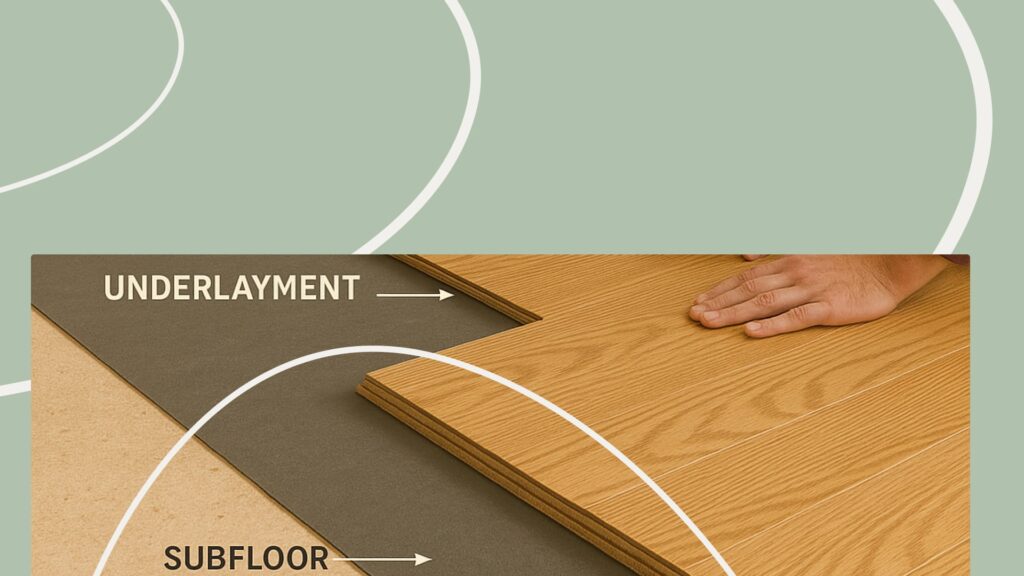
An underlayment is a thin layer of material installed between the subfloor and the flooring surface. It serves as a foundation that enhances the overall performance of the flooring system.
While it may seem like a simple addition, underlayment plays multiple roles such as:
- Providing cushioning underfoot
- Reducing noise transmission
- Protecting against moisture
- Smoothing out minor subfloor imperfections
- Improving thermal insulation
Without proper underlayment, even high quality flooring can wear out faster, feel uncomfortable, or develop structural issues over time.
Why Underlayment Matters in Flooring Systems
Many homeowners underestimate the importance of underlayment, assuming that flooring materials alone are sufficient. However, underlayment acts as a critical support layer that enhances both performance and comfort.
Key Functions of Underlayment
- Adds structural stability to flooring
- Improves walking comfort
- Reduces sound transmission between floors
- Extends the life of flooring materials
- Helps prevent moisture damage
In multi story homes or high traffic areas, underlayment becomes even more important due to increased noise and wear.
Comfort Enhancement: The Softness Beneath Your Feet
One of the most noticeable benefits of underlayment is improved comfort. It creates a soft barrier between the hard subfloor and the flooring surface, making walking more pleasant.
How Underlayment Improves Comfort
- Absorbs impact from footsteps
- Reduces pressure on joints and feet
- Provides a cushioned walking experience
- Makes floors feel warmer and softer
This is especially beneficial in areas like living rooms, bedrooms, and kitchens where people spend long periods standing or walking.
Sound Reduction and Acoustic Control
Noise reduction is another major advantage of using underlayment. Hard flooring surfaces can amplify sound, especially in multi level homes or apartments.
Types of Noise Reduced
- Impact noise (footsteps, dropped objects)
- Airborne noise (voices, TV sounds)
- Structural noise (vibrations through floors)
Underlayment helps absorb and minimize these sounds, creating a quieter and more peaceful indoor environment. This is particularly useful in bedrooms, offices, and shared living spaces.
Moisture Protection and Floor Safety
Moisture is one of the biggest threats to flooring longevity. Without proper protection, water can seep into flooring materials and cause warping, swelling, or mold growth.
How Underlayment Protects Against Moisture
- Acts as a moisture barrier between subfloor and flooring
- Prevents water vapor from rising into flooring layers
- Reduces risk of mold and mildew development
- Protects flooring in humid environments
This feature is especially important in basements, kitchens, and bathrooms where moisture exposure is more common.
Subfloor Imperfection Correction
No subfloor is perfectly smooth. Small cracks, uneven surfaces, or minor imperfections can affect how flooring is installed and performs.
Benefits of Underlayment for Subfloors
- Smooths out minor irregularities
- Prevents flooring from shifting or cracking
- Creates a stable installation surface
- Improves overall flooring alignment
By leveling the base layer, underlayment ensures that flooring materials sit evenly and securely.
Thermal Insulation Benefits
Underlayment also contributes to temperature regulation within the home. It adds an insulating layer that helps maintain comfortable indoor conditions.
How It Helps With Temperature Control
- Reduces heat loss through floors
- Keeps flooring warmer during cold seasons
- Enhances energy efficiency
- Improves overall indoor comfort
This makes it especially valuable in homes located in colder climates or areas with fluctuating temperatures.
Increased Flooring Durability and Lifespan
One of the most important roles of underlayment is protecting the flooring itself. It reduces stress and wear on the surface material, allowing it to last longer.
Durability Benefits
- Minimizes wear and tear from daily use
- Reduces pressure on locking systems in laminate flooring
- Prevents cracking and surface damage
- Extends overall flooring lifespan
By acting as a shock absorber, underlayment ensures that the flooring remains in good condition for years.
Types of Underlayment Materials
Different flooring types require different underlayment materials. Choosing the right one is essential for optimal performance.
1. Foam Underlayment
Foam is one of the most commonly used underlayments, especially for laminate and vinyl flooring.
Features
- Lightweight and affordable
- Easy to install
- Provides basic cushioning and sound reduction
Best For
- Residential spaces
- Laminate flooring
- Light to medium traffic areas
2. Cork Underlayment
Cork is a natural and eco friendly option known for its excellent acoustic properties.
Features
- High sound absorption
- Environmentally friendly
- Naturally resistant to mold and mildew
Best For
- Bedrooms
- Offices
- Multi story homes
3. Rubber Underlayment
Rubber is one of the most durable underlayment materials available.
Features
- Excellent noise reduction
- Highly durable and long lasting
- Superior impact resistance
Best For
- Commercial spaces
- High traffic areas
- Gym or activity rooms
4. Felt Underlayment
Felt underlayment is made from recycled fibers and offers strong soundproofing.
Features
- Dense and stable
- Great acoustic performance
- Good thermal insulation
Best For
- Hardwood flooring
- Residential living areas
5. Combined Vapor Barrier Underlayment
This type includes built in moisture protection.
Features
- Blocks moisture effectively
- Combines cushioning and protection
- Ideal for moisture prone areas
Best For
- Basements
- Kitchens
- Bathrooms
Underlayment for Different Flooring Types
Different flooring materials require specific underlayment solutions.
Laminate Flooring
Laminate flooring requires underlayment for sound reduction, cushioning, and moisture protection.
- Foam or cork is commonly used
- Improves click lock system stability
- Enhances walking comfort
Vinyl Flooring
Vinyl flooring often includes built in backing, but underlayment can still improve performance.
- Provides extra cushioning
- Improves sound absorption
- Enhances thermal insulation
Hardwood Flooring
Hardwood flooring benefits significantly from high quality underlayment.
- Prevents moisture damage
- Reduces noise
- Protects against subfloor imperfections
Tile Flooring
Tile flooring requires specialized underlayment such as cement board.
- Provides rigid support
- Prevents cracking
- Ensures long term stability
Common Mistakes When Choosing Underlayment
Choosing the wrong underlayment can negatively affect flooring performance.
Mistakes to Avoid
- Using incorrect material for flooring type
- Ignoring moisture protection needs
- Choosing low quality foam for high traffic areas
- Skipping underlayment entirely
- Not considering soundproofing requirements
Avoiding these mistakes ensures better performance and durability.
How to Choose the Right Underlayment
Selecting the right underlayment depends on several factors.
Key Considerations
- Flooring type
- Room location
- Moisture levels
- Noise reduction needs
- Budget
For example, bathrooms require moisture resistant underlayment, while bedrooms benefit more from soundproofing materials.
Installation Importance
Even the best underlayment will not perform well if installed incorrectly.
Proper Installation Tips
- Ensure subfloor is clean and dry
- Lay underlayment evenly without gaps
- Follow manufacturer guidelines
- Avoid overlapping seams
Proper installation ensures maximum performance and durability.
Long Term Value of Underlayment
While underlayment may seem like an additional cost, it provides long term value by:
- Extending flooring lifespan
- Reducing repair and maintenance costs
- Improving comfort and usability
- Enhancing home value
It is a small investment that delivers significant returns over time.
Why Underlayment Is the Foundation of Long Lasting Flooring
At theflooringfactoryoutlet.com, we recognize that underlayment is a vital yet often underestimated part of any flooring system. It plays a key role in improving comfort, boosting durability, minimizing noise, and protecting your floors from moisture-related damage. Whether you’re installing laminate, vinyl, hardwood, or tile flooring, selecting the right underlayment can greatly enhance both performance and lifespan.
By understanding the various types of underlayment and their specific benefits, homeowners can make smarter, more informed choices that lead to stronger, more comfortable, and longer-lasting flooring solutions. A well-prepared base is essential for lasting quality and underlayment provides exactly that solid foundation for your floors.